
November 2025

Discoveries, trends, and discussions in medical diagnostics
Welcome to the November issue of Diagnostics Dialogue, where you can get up to speed on the most important discoveries, trends, and discussions in medical diagnostics. Continue reading to learn more.
1) Turn HIV awareness into action: Screening can help save lives
2) Updated H pylori guidelines highlight gastric cancer risk
3) Keep patients healthy with respiratory infection combination testing
4) Webinar: Identifying MASLD and viral hepatitis
5) Help curb the measles resurgence identify infections earlier

|
Better outcomes |
Better outcomes |
Turn HIV awareness into action: Screening can help save lives


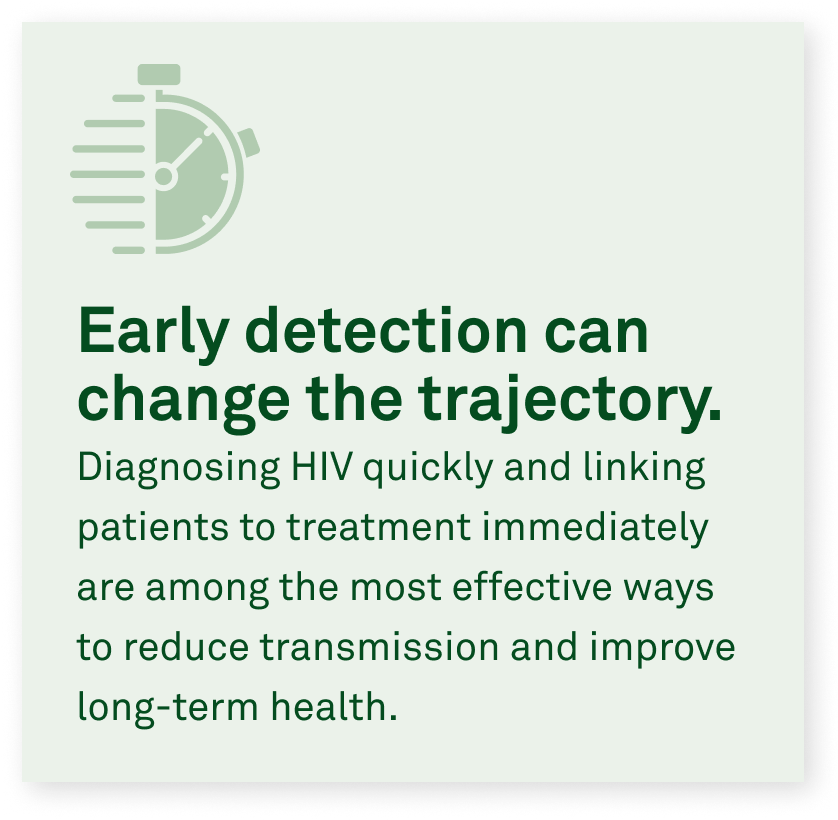
Progress has been made. HIV infections are steadily declining thanks to broader testing and increased use of pre-exposure prophylaxis (PrEP). Yet the challenge remains: about 40% of new infections are transmitted by people who don’t know they’re living with HIV.2

According to the CDC3

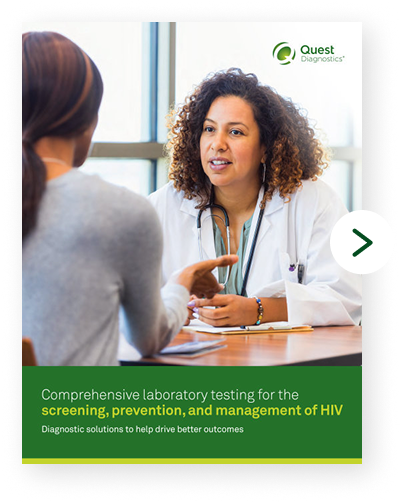
In a recent Provider Insights article, Quest experts discuss how comprehensive HIV laboratory testing—spanning screening, prevention, and care—can improve outcomes and help end the epidemic. The article examines ongoing gaps in diagnosis and prevention and underscores the importance of following the CDC-recommended fourth-generation HIV testing algorithm and expanding access to PrEP to reduce new infections. Read the article.
Quest provides a full spectrum of HIV testing—from routine screening to PrEP monitoring and treatment follow-up—so you can help every patient make informed decisions at every stage of care.
Updated H pylori guidelines highlight gastric cancer risk
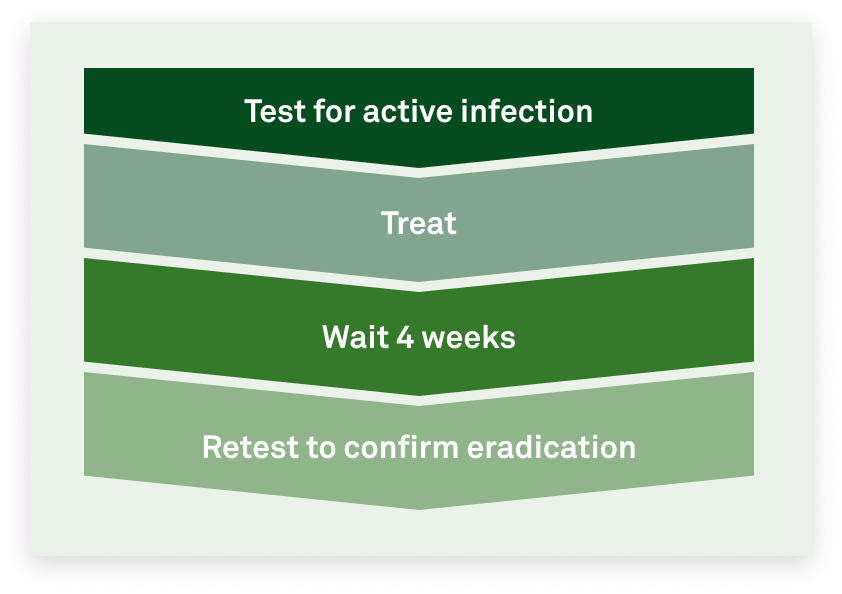
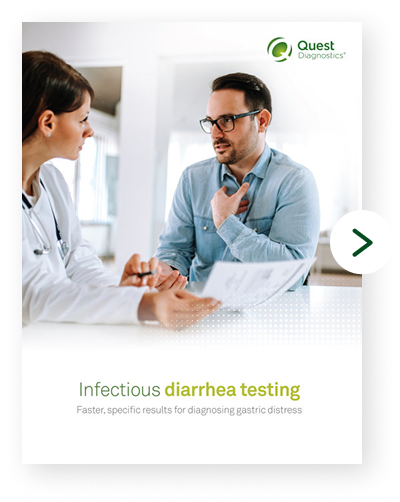
Helicobacter pylori (H pylori) infection is the most common chronic bacterial infection and the strongest risk factor for gastric cancer and peptic ulcers—driving up to 80% of peptic ulcer disease and 90% of gastric cancer.4,5





|
Better experiences |
Better experiences |
Keep patients healthy with respiratory infection combination testing
With holiday gatherings on the horizon, the risk of respiratory illness rises. COVID-19, influenza A and B, and RSV often circulate together—and this season’s combined hospitalization burden is expected to mirror last year’s.7
Because these viruses present with overlapping symptoms but require different management approaches, distinguishing between them quickly is critical—especially for high-risk populations vulnerable to RSV and flu complications.
Our respiratory molecular combination testing makes it easier to get answers fast—with a single swab right in your office.
- Detects COVID-19, influenza A and B, RSV, and other respiratory pathogens
- Reduces the need for multiple tests or visits, helping to speed diagnosis
- Supports earlier, more accurate treatment decisions
- Minimizes diagnostic uncertainty when time matters most8




Webinar: Identifying MASLD and viral hepatitis
Metabolic dysfunction–associated steatotic liver disease (MASLD) and viral hepatitis share similar progression pathways and often occur together—creating higher risk for advanced fibrosis and liver cancer.9 Yet, many patients remain undiagnosed until late in the disease course.


In a recent webinar, Kenneth French, Director, Clinical Consulting, Quest Diagnostics discussed critical issues around these conditions, including
- The rising prevalence of MASLD—now affecting 1 in 3 adults in the US,10 with fewer than 1% formally diagnosed11
- How MASLD accelerates viral hepatitis damage—increasing fibrosis risk (odds ratio 6.8 when combined) and reducing antiviral effectiveness12
- Screening strategies that matter—including use of FIB-4 Index and Enhanced Liver Fibrosis (ELF) score to identify patients at greatest risk and guide earlier interventions
- CDC universal screening recommendations—for hepatitis B and hepatitis C with guideline-aligned screening tests
Why it matters:
- ~19 million US adults already have clinically significant liver fibrosis13
- MASLD and hepatitis together carry a much higher risk of progression to cirrhosis and hepatocellular carcinoma



|
Removing traditional barriers to testing |
|
|
Removing traditional barriers to testing |
Removing traditional barriers to testing |
Help curb the measles resurgence—identify infections earlier
Measles remains one of the most contagious infectious diseases, characterized by fever, red rash, cough, and conjunctivitis. What’s especially concerning is the sharp uptick in confirmed measles cases across the US.
As of October 7, 2025, there have been 1,500+ confirmed measles cases reported across 42 jurisdictions, and there have been 3 deaths confirmed this year.14

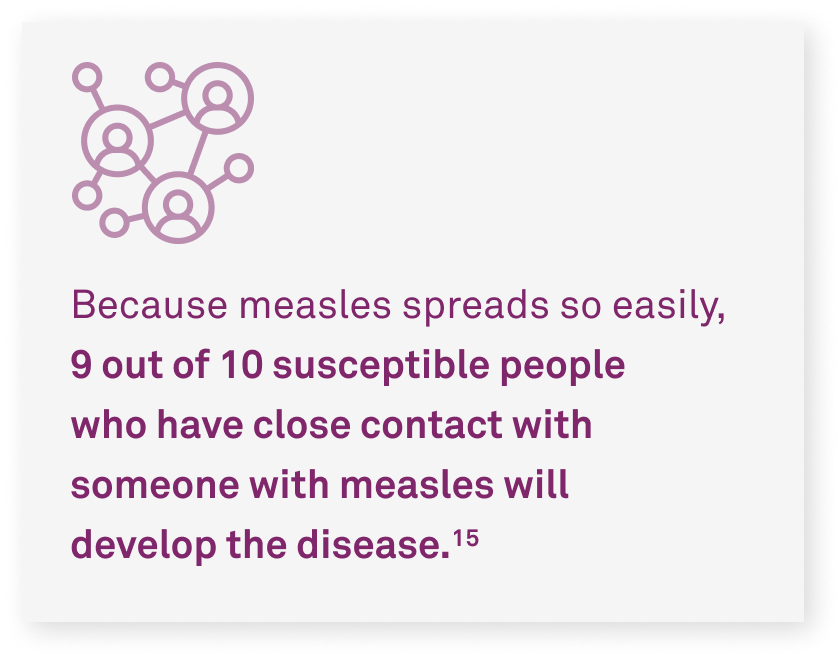
Measles is a mandatory, immediately notifiable disease
CDC recommends collecting either a nasopharyngeal swab, throat swab, or urine specimen as well as a blood specimen from all patients with clinical features compatible with measles.15
Quest offers the testing you need to help confirm measles infection and help patients take the necessary steps to minimize the risk of transmission:
- Measles Antibody (IgM)
- Measles Antibody (IgG)
- Measles Antibodies (IgG, IgM)
- Measles (Rubeola) Virus, Qualitative Real-Time PCR, Nasopharyngeal/Throat
Quest also offers serological testing to determine immune status, when vaccination status or partial vaccination status is unknown.

Enhance the Alzheimer’s disease and dementia care pathway
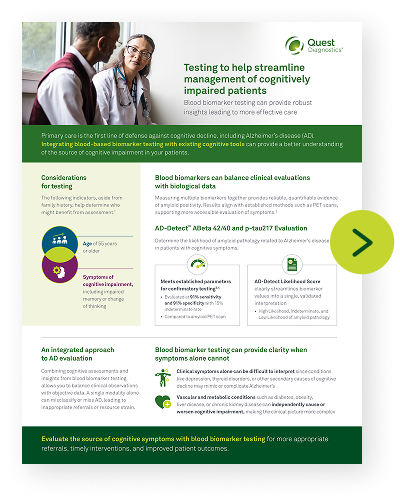
Alzheimer’s disease remains a leading cause of dementia, and the diagnostic landscape is evolving rapidly. Assessing disease pathophysiology is key to timely intervention, and blood-based biomarkers offer a practical, accessible way to integrate objective biological data into the diagnostic pathway—helping primary care providers evaluate cognitively impaired patients for biomarkers associated with Alzheimer’s disease and refer them to specialists sooner.
The Quest AD-Detect® Alzheimer’s disease risk assessment portfolio helps provide a clearer path forward. By measuring multiple biomarkers within the blood, these tests complement clinical evaluation with quantifiable insights that help providers identify risks of developing Alzheimer's disease and that help providers distinguish Alzheimer’s disease from other potential causes of cognitive decline.



With the help of blood-based biomarker testing, providers can deliver answers sooner, reduce diagnostic uncertainty, and enable earlier interventions that improve patient outcomes.
Identify patients at risk for diabetes earlier
Diabetes remains one of the most pressing public health challenges. According to the CDC, nearly 16% of US adults had diabetes between August 2021 and August 2023—that’s nearly 1 in 6 adults living with the disease.16 Projections suggest prevalence could increase by more than 50% by 2030, impacting nearly 55 million Americans.17


These numbers underscore the urgency of identifying patients at risk earlier and managing disease progression across the care continuum—from screening and diagnosis to ongoing monitoring.
The Centers for Medicare & Medicaid Services (CMS) now covers HbA1c testing as part of diabetes screening for Medicare and Medicare Advantage beneficiaries, making it easier for providers to assess risk earlier and improve clinical utility in diabetes detection.18
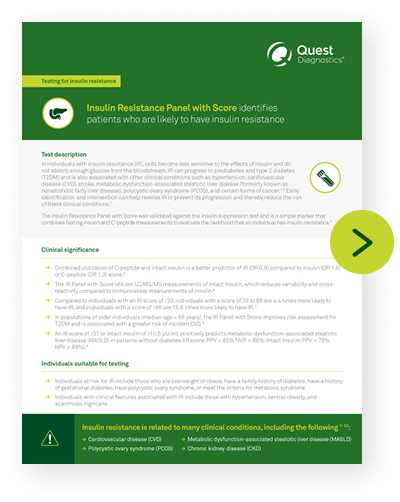
While HbA1c remains essential for long-term monitoring, it offers only part of the picture. Insulin resistance often develops years before HbA1c rises, signaling the need for broader assessment tools.


A recent Provider Insights article, "HbA1c and beyond: Metabolic dysfunction and its impact on glycemic control," highlights how tests such as the Cardio IQ® Insulin Resistance Panel with Score and Metabolic Risk Panel can help identify metabolic dysfunction before HbA1c levels rise.
These innovations can help providers differentiate disease types sooner, guide personalized treatment decisions, and improve long-term outcomes.
IsoPSA®: A more precise test for prostate cancer risk


Movember—Men’s Health Awareness Month—is a reminder of the importance of early, accurate prostate cancer detection. Prostate-specific antigen (PSA) levels can be elevated for reasons other than cancer—such as BPH or inflammation—making traditional PSA testing less specific.
IsoPSA®, an advanced accessible blood test, goes further—analyzing the structure of PSA proteins to better distinguish high-grade prostate cancer from benign conditions.


Achieving the Quadruple Aim in your practice
Our purpose is to support you and your patients with leading services, improved patient experiences, and innovative testing that can help you provide clarity to the constant changes and challenges we’re seeing in healthcare today.


About Diagnostics Dialogue
In our conversations with providers across the country, we hear that you are facing many different constraints that make delivering care challenging. We’re here to help you navigate the uncertainty and deliver better health. With a broad test menu spanning 3,500+ tests and consultations from our medical staff of over 850 MDs and PhDs, we empower healthcare providers to create healthier communities, one patient at a time.
References
- WHO. HIV data and statistics. Accessed October 13, 2025. https://www.who.int/teams/global-hiv-hepatitis-and-stis-programmes/hiv/strategic-information/hiv-data-and-statistics
- CDC. Clinical testing guidance for HIV. February 10, 2025. Accessed October 13, 2025. https://www.cdc.gov/hivnexus/hcp/diagnosis-testing/index.html
- CDC. Fast facts: HIV in the US. April 22, 2024. Accessed October 9, 2024. https://www.cdc.gov/hiv/data-research/facts-stats/index.html
- Chey W, Howden C, Moss S, et al. ACG clinical guideline: treatment of Helicobacter pylori infection. Am J Gastroenterol. 2024;119(9):1730-1753. doi:10.14309/ajg.0000000000002968
- Shah S, Hubscher E, Pelletier C, et al. Helicobacter pylori infection treatment in the United States: clinical consequences and costs of eradication treatment failure. Expert Rev Gastroenterol Hepatol. 2022;16(4):341-357. doi:10.1080/17474124.2022.2056015
- Yan L, Chen Y, Chen F, et al. Effect of Helicobacter pylori eradication on gastric cancer prevention: updated report from a randomized controlled trial with 26.5 years of follow-up. Gastroenterology. 2022;163(1):154-162.e3. doi:10.1053/j.gastro.2022.03.039
- CDC. 2025-2026 Respiratory disease season outlook. August 25, 2025. Accessed October 13, 2026. https://www.cdc.gov/cfa-qualitative-assessments/php/data-research/season-outlook25-26.html
- Hanson KE, Azar MM, Banerjee R, et al. Molecular testing for acute respiratory tract infections: clinical and diagnostic recommendations from the IDSA Diagnostics Committee. Clin Infect Dis. 2020;71(10):2744-2751. doi:10.1093/cid/ciaa508
- Gonzalez-Aldaco K, Torres-Reyes LA, Ojeda-Granados C, et al. Helicobacter pylori infection and the risk of gastric cancer: a systematic review and meta-analysis. Clin Pract. 2024;14(6):200. doi:10.3390/clinpract14060200
- Harrison SA, Wong VW-S, Okanoue T, et al. Selonsertib for patients with bridging fibrosis or compensated cirrhosis due to NASH: results from randomized phase III STELLAR trials. J Hepatol. 2021;75(2):336-349. doi:10.1016/j.jhep.2020.02.027
- Kaiser Permanente Division of Research. Many adults may be unaware that they have liver disease. January 31, 2025. Accessed October 13, 2025. https://divisionofresearch.kaiserpermanente.org/unaware-masld-liver-disease
- Kim D, Le A, Ismail M, et al. Viral hepatitis with concurrent metabolic dysfunction–associated steatotic liver disease is a subgroup at high risk for advanced fibrosis. Abstract presented at: Digestive Disease Week; May 21, 2024. Accessed October 13, 2025. https://ddw.digitellinc.com/p/s/viral-hepatitis-with-concurrent-metabolic-dysfunction-associated-steatotic-liver-disease-is-a-subgroup-at-high-risk-for-advanced-fibrosis-6469
- Kim HY, Jeong D, Kim D, et al. Impact of metabolic dysfunction–associated steatotic liver disease on antiviral treatment response in chronic hepatitis B. Clin Mol Hepatol. 2024;30(4):454-466. doi:10.3350/cmh.2024.0351
- CDC. Measles cases and outbreaks. October 8, 2025. Accessed October 9, 2025. https://www.cdc.gov/measles/data-research/index.html
- CDC. Clinical overview of measles. July 15, 2025. Accessed March 6, 2025. https://www.cdc.gov/measles/hcp/clinical-overview/index.html
- National Center for Health Statistics. Prevalence of total, diagnosed, and undiagnosed diabetes among adults: United States, 2021–2023. NCHS Data Brief. No. 516. May 2024. Accessed October 2, 2025. https://www.cdc.gov/nchs/products/databriefs/db516.htm
- Rowley WR, Bezold C, Arikan Y, et al. Diabetes 2030: insights from yesterday, today, and future trends. Popul Health Manag. 2017;20(1):6-12. doi:10.1089/pop.2015.0181
- Centers for Medicare & Medicaid Services. Medicare and medicaid programs; cy 2024 payment policies under the physician fee schedule and other changes to part b payment and coverage policies; medicare shared savings program requirements; medicare advantage; medicare and medicaid provider and supplier enrollment policies; and basic health program. Fed Regist. 2023;88(222):78818. November 16, 2023. Accessed October 13, 2025. https://www.federalregister.gov/documents/2023/11/16/2023-24184/medicare-and-medicaid-programs-cy-2024-payment-policies-under-the-physician-fee-schedule-and-other
- Klein EA, Partin A, Lotan Y, et al. Clinical validation of IsoPSA, a single parameter, structure-focused assay for improved detection of prostate cancer: A prospective, multicenter study. Urol Oncol. 2022;40(9):408.e9-408.e18. doi:10.1016/j.urolonc.2022.06.002
- Benidir T, Lone Z, Wood A, et al. Using IsoPSA with prostate imaging reporting and data system score may help refine biopsy decision making in patients with elevated PSA. Urology. 2023;176:115-120. doi:10.1016/j.urology.2023.03.014
Image content features models and is intended for illustrative purposes only.